Danielle Steel
The Foundation of Modern Dental Care
Trust forms the cornerstone of every successful dentist-patient relationship, including one with a dentist Soho, yet the psychological mechanisms that underpin this vital connection remain surprisingly complex. When patients settle into the dental chair, they’re not merely seeking technical expertise—they’re placing their wellbeing into the hands of another human being, creating a unique dynamic that extends far beyond clinical competence.
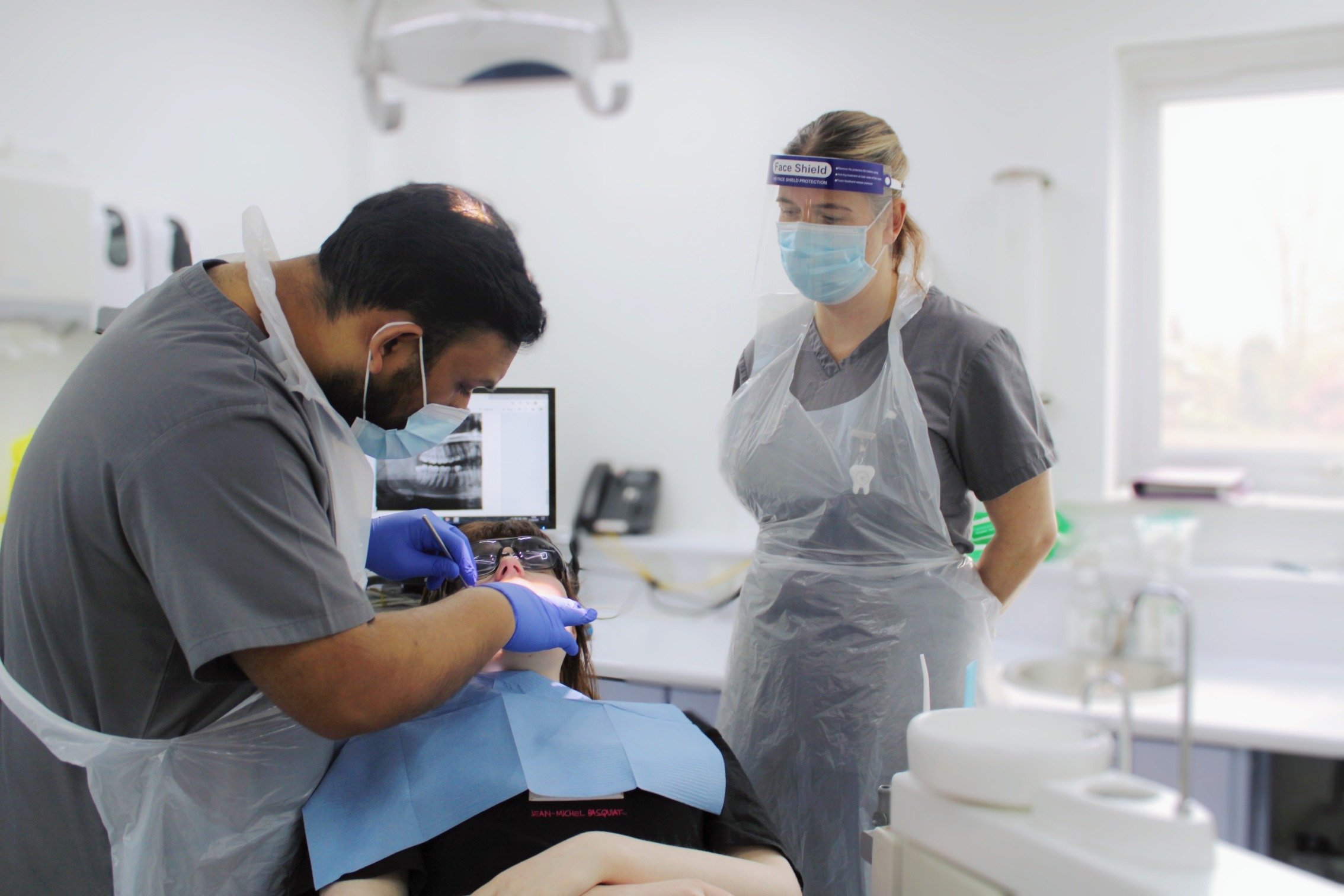
The dental surgery represents one of the most vulnerable environments in healthcare. Patients must literally open themselves up, allowing intimate access to their mouths whilst often experiencing discomfort or anxiety. This vulnerability creates a psychological landscape where trust becomes absolutely paramount, influencing everything from treatment compliance to long-term oral health outcomes.
The Psychological Barriers to Dental Trust
Dental anxiety affects a remarkable proportion of the population, with studies suggesting that up to 20% of individuals experience significant fear when visiting the dentist. This apprehension stems from multiple psychological sources, including past traumatic experiences, fear of pain, and the inherent loss of control that comes with dental treatment. Understanding these barriers is crucial for practitioners who wish to build meaningful therapeutic relationships.
The sensory experience of dental treatment—the sounds of drilling, the clinical smells, and the physical sensations—can trigger primitive fear responses that bypass rational thought. Modern practices increasingly recognise that addressing these psychological factors is just as important as delivering excellent clinical care.
Communication as a Trust-Building Tool
Effective communication serves as the primary vehicle for establishing trust in dental relationships. Research indicates that patients value clear explanations of procedures, honest discussions about potential discomfort, and genuine empathy from their dental team. The manner in which information is conveyed can dramatically influence a patient’s perception of their practitioner’s competence and caring nature.
Non-verbal communication plays an equally significant role in trust formation. Facial expressions, body language, and tone of voice all contribute to the patient’s overall assessment of their dentist’s trustworthiness. Studies on patient trust demonstrate that caring behaviours significantly impact therapeutic relationships, highlighting the importance of emotional intelligence in dental practice.
The Role of Competence in Trust Development
Technical competence forms another pillar of trust in dental relationships, yet patients often struggle to evaluate clinical skills directly. Instead, they rely on proxy indicators such as the cleanliness of the practice, the modernity of equipment, and the confidence displayed by the dental team. These environmental cues create powerful first impressions that can either enhance or undermine trust before treatment even begins.
Professional credentials, continuing education, and evidence-based practice methods all contribute to perceived competence. When practitioners explain their treatment rationale using accessible language, they demonstrate both expertise and respect for their patients’ intelligence, fostering deeper trust relationships.
Building Long-Term Therapeutic Partnerships
Successful dental practices understand that trust develops over time through consistent, positive interactions. Each appointment represents an opportunity to strengthen or weaken the therapeutic bond. Reliability in scheduling, consistency in treatment quality, and follow-up care all contribute to patients’ growing confidence in their dental provider.
The concept of shared decision-making has gained prominence in modern dentistry, recognising patients as active participants rather than passive recipients of care. Recent psychological research on healthcare relationships suggests that involving patients in treatment decisions significantly enhances trust and satisfaction outcomes.
Cultural and Individual Factors
Trust-building strategies must account for cultural differences and individual personality traits. Some patients prefer detailed explanations, whilst others find too much information overwhelming. Successful practitioners develop the ability to read these preferences and adapt their communication style accordingly.
Age, gender, cultural background, and previous healthcare experiences all influence how individuals approach dental relationships. Professional guidelines on doctor-patient relationships emphasise the importance of cultural competency in building effective therapeutic partnerships.
The Future of Trust-Based Dental Care
As dentistry continues to evolve, the fundamental importance of trust remains constant. Technology may change the tools and techniques available, but the human connection between dentist and patient continues to drive successful outcomes. Practices that prioritise psychological comfort alongside clinical excellence create environments where trust can flourish, ultimately benefiting both patient wellbeing and practice success. The investment in understanding and nurturing these relationships represents one of the most valuable aspects of modern dental care.