Danielle Steel
The Foundation of a Healthy Smile Begins in Childhood
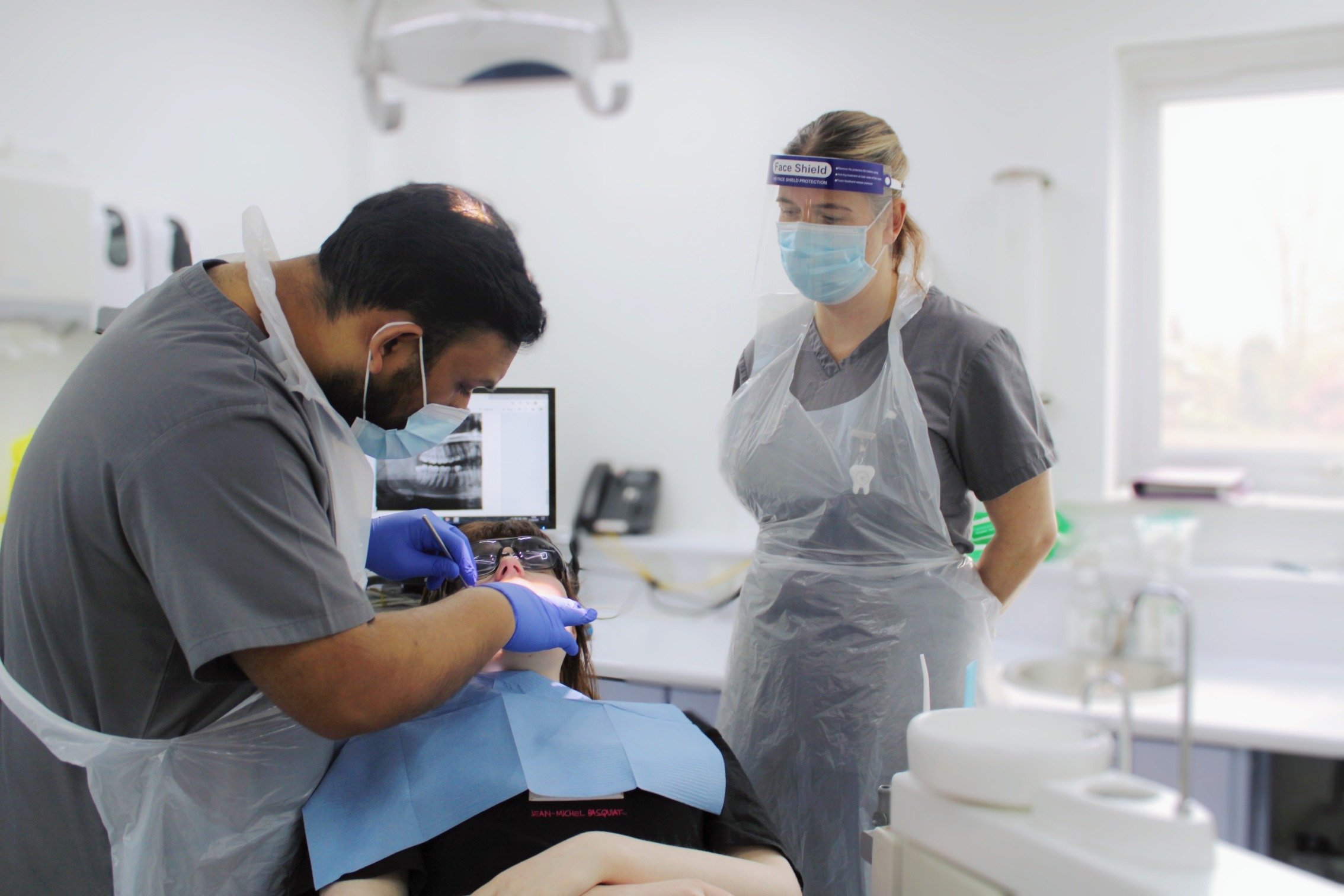
The journey towards optimal dental health often begins much earlier than most parents realise. Whilst many associate orthodontic treatment with teenage years and metal braces, the reality is that early intervention during childhood can prevent a multitude of complex dental issues from developing in the first place. An orthodontist Liverpool increasingly recognises that addressing orthodontic concerns during a child’s developmental years offers significant advantages, not merely for aesthetics, but for long-term oral health and function.
Early orthodontic assessment, typically recommended around the age of seven, allows specialists to identify potential problems whilst a child’s jaw is still growing. This proactive approach creates opportunities to guide dental development in a favourable direction, potentially avoiding more invasive and costly treatments later in life. The concept revolves around working with nature rather than against it, utilising the body’s natural growth patterns to achieve optimal results.
Understanding the Critical Window for Intervention
The period between ages seven and ten represents a crucial window for orthodontic evaluation. During this time, children typically have a mixture of primary and permanent teeth, allowing an orthodontist to assess how the adult teeth will eventually align. This mixed dentition phase provides valuable insights into potential crowding, spacing issues, and bite irregularities that may develop as the child matures.
Interceptive orthodontics, as this early treatment phase is known, focuses on creating adequate space for permanent teeth, correcting harmful oral habits, and improving jaw relationships. By addressing these concerns early, orthodontic specialists can often reduce the severity of problems that would otherwise require extensive treatment during adolescence. Understanding the comprehensive benefits of early orthodontic treatment helps parents make informed decisions about their children’s dental care.
Common Issues Addressed Through Early Treatment
Skeletal and Jaw Development Problems
One of the most significant advantages of early orthodontic intervention lies in its ability to address skeletal discrepancies whilst the jaw is still developing. Conditions such as crossbites, underbites, and severe overbites can be guided towards more favourable positions through the use of growth modification appliances. These devices work harmoniously with a child’s natural growth spurts, making corrections that would be impossible or require surgical intervention in adulthood.
Crowding and Spacing Concerns
Dental crowding represents one of the most prevalent orthodontic issues affecting children today. When intercepted early, orthodontists can create additional space through palatal expansion or guided eruption techniques, eliminating the need for permanent tooth extractions later. This preservation of natural dentition contributes to better long-term oral health and maintains the structural integrity of the dental arch. Similarly, excessive spacing can be addressed before it leads to drift and misalignment of permanent teeth.
Harmful Oral Habits
Prolonged thumb sucking, tongue thrusting, and mouth breathing can significantly impact dental development and facial growth patterns. Early orthodontic intervention includes strategies to eliminate these habits before they cause permanent damage to tooth position and jaw structure. Addressing these behaviours during the formative years prevents the development of open bites, narrow palates, and other complications that become increasingly difficult to correct with age.
The Long-Term Benefits of Preventive Care
The advantages of early orthodontic treatment extend far beyond achieving a straight smile. By addressing developmental concerns proactively, children often experience shorter and less complex treatment during their teenage years. Research from leading orthodontic associations demonstrates that early intervention can reduce overall treatment time and improve final outcomes significantly.
Furthermore, proper dental alignment achieved through early intervention contributes to improved oral hygiene, as straight teeth are considerably easier to clean effectively. This reduces the risk of tooth decay, gum disease, and premature tooth loss throughout life. The psychological benefits should not be overlooked either, as children who receive timely orthodontic care often develop greater confidence and avoid the social challenges associated with severe dental irregularities.
Parents seeking guidance on orthodontic treatment options for children will find that modern approaches emphasise comfort and efficiency, making early intervention more accessible than ever before.
Investing in Future Dental Health
Early orthodontic intervention represents a strategic investment in a child’s long-term oral health and overall wellbeing. By identifying and addressing potential problems during the developmental years, families can prevent complex dental issues that would otherwise require extensive and costly treatment in adulthood. Consulting with an orthodontist Liverpool parents recommend during the critical early years ensures that children receive the comprehensive care necessary to maintain healthy, functional smiles throughout their lives. The evidence overwhelmingly supports the value of proactive orthodontic assessment, making it an essential component of comprehensive paediatric dental care.